Interior Designer vs Furniture Designer vs Carpenter vs Modular Company — Who Should Build Your Furniture?
Five kinds of people can build a wardrobe in Gurgaon. They do very different jobs — and confusing them is where the money goes.
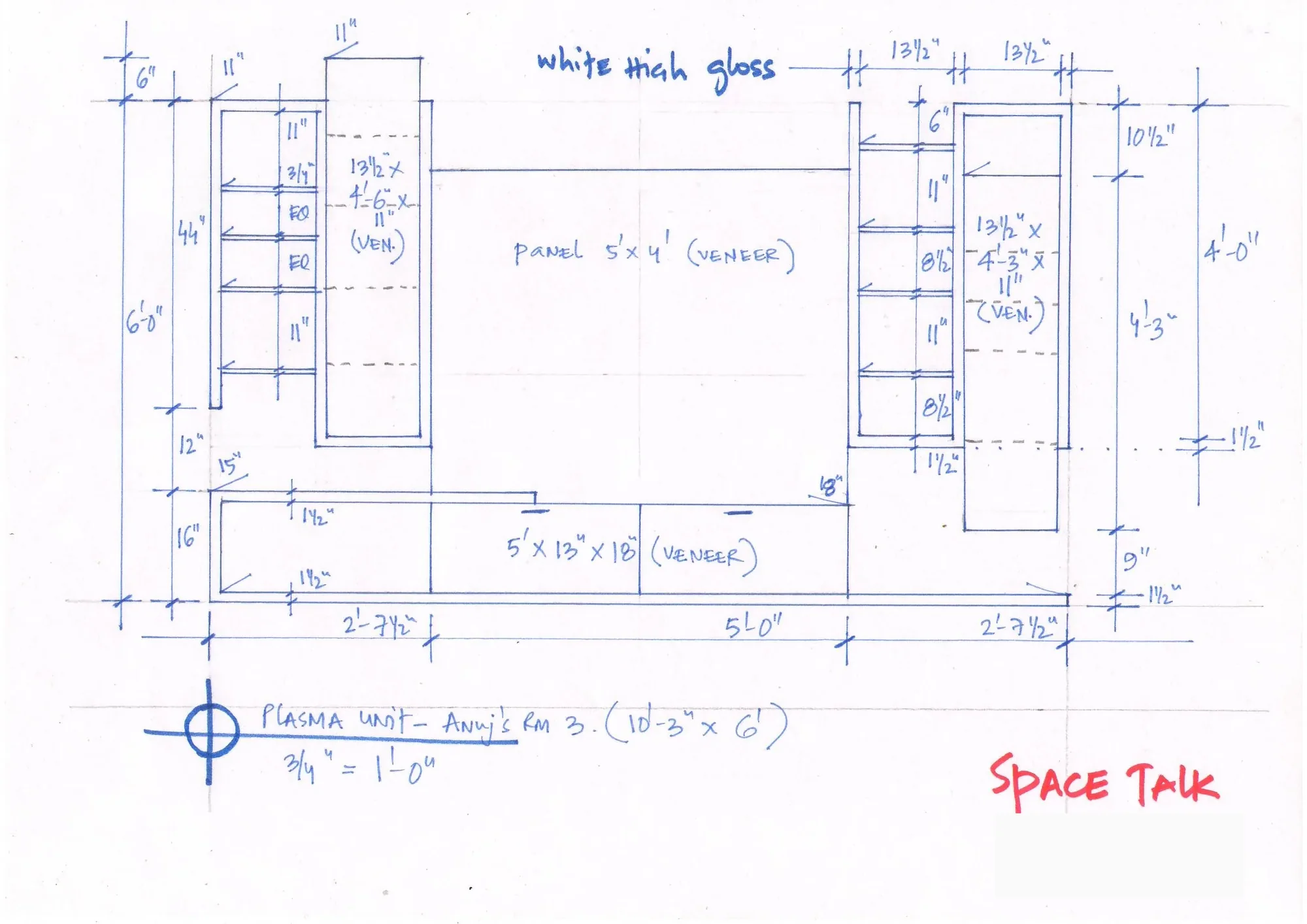
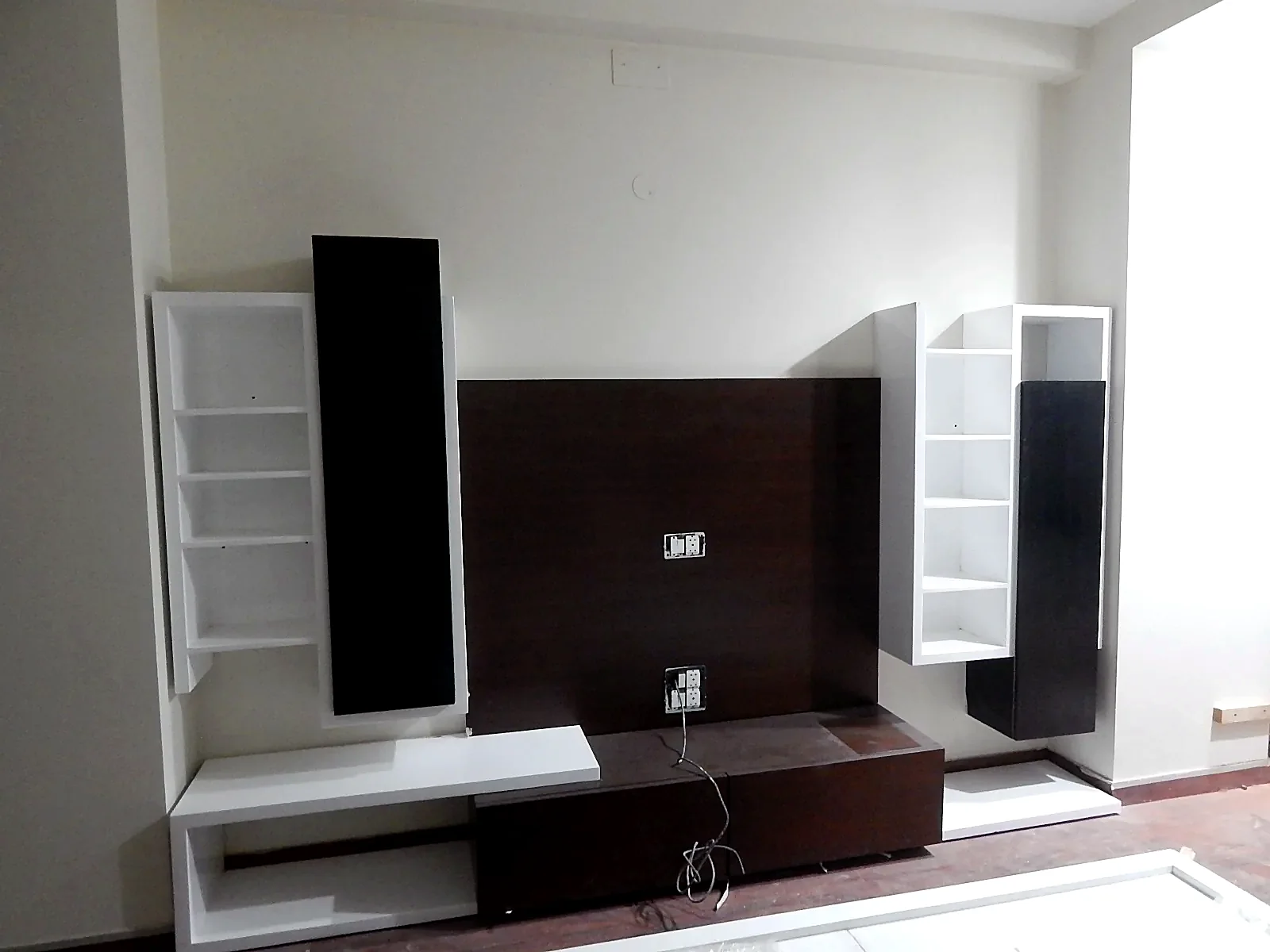
The word "interiors" on a visiting card can mean almost anything. A designer. A factory. A contractor. A showroom. A carpenter with a very good Instagram page.
Short answer
They do five different jobs. The interior designer plans the space. The furniture designer designs proportions, interiors and materials. The manufacturer builds. The carpenter executes joinery to someone else's design. The modular company sells a system. Ask anyone you meet which of these they do — and who does the rest.
None of these is wrong. But they do different jobs. The problems start when you think you hired one and got another.
1. The interior designer
Does well: designs the whole environment — layout, ceilings, lighting, finishes — and coordinates the trades.
Check: who designs the inside of the furniture, and who manufactures it. Often both are handed to someone else.
2. The furniture designer
Does well: designs the furniture itself — proportions, internal architecture, board, hardware, the way every drawer and shelf serves the person using it.
Check: do they also manufacture, or hand the drawings to a factory?
3. The furniture manufacturer
Does well: builds precisely to a drawing — machine cutting, pressing, finishing, quality checks.
Check: whose drawing are they building? Design is not their job. If nobody designed it, they will build a very accurate template.
4. The carpenter
Does well: skilled hands, joinery, work made on site, quick fixes.
Check: who is designing? Usually the answer is you, or a photograph. Ask about tools and finishing — hand-pasted laminate and site-applied finishes behave very differently from factory-pressed ones.
5. The modular company
Does well: a productised system — predictable finish, set timelines, a warranty structure.
Check: which parts are fixed? Module widths, carcass sizes and accessory ranges usually are. Customisation happens within the catalogue.
One business can wear several hats
These roles often overlap. I design the furniture and manufacture it in my factory, with an interior designer's eye on how each piece sits in the room. Others combine different roles.
The point is not which combination is best. It is knowing which hats are being worn — and who is wearing the others.
Where it goes wrong: the gaps between hats
Design by one person. Manufacturing by another. Installation by a third.
Each handoff is a place where a drawer depth changes, a hardware model is substituted, a finish is "almost the same." Nobody is dishonest. The intent just thins out a little at every step.
When something doesn't fit on site, you become the coordinator between three parties who each did their part.
One question to ask anyone you meet
"Which of these five are you — and who does the other four?"
A clear answer is a good sign. A vague one tells you where the gaps will be.
Match the hire to the need
- Walls, ceilings, services to plan → interior designer
- Furniture that must fit your life, inside and out → furniture designer
- A drawing that already exists → manufacturer
- Small repairs and site work → carpenter
- Speed and a standard layout → modular company
Read next
Frequently Asked Questions
What is the difference between a furniture designer and a carpenter?
Do interior designers manufacture furniture?
Is a modular company the same as a custom furniture designer?
Why do handoffs between designers and manufacturers matter?
What should I ask before hiring anyone for furniture?
If this raised more questions than it answered — that's the beginning of a great conversation. Reach out with your questions or list of topics you'd like covered next!
Talk to Himani on WhatsApp