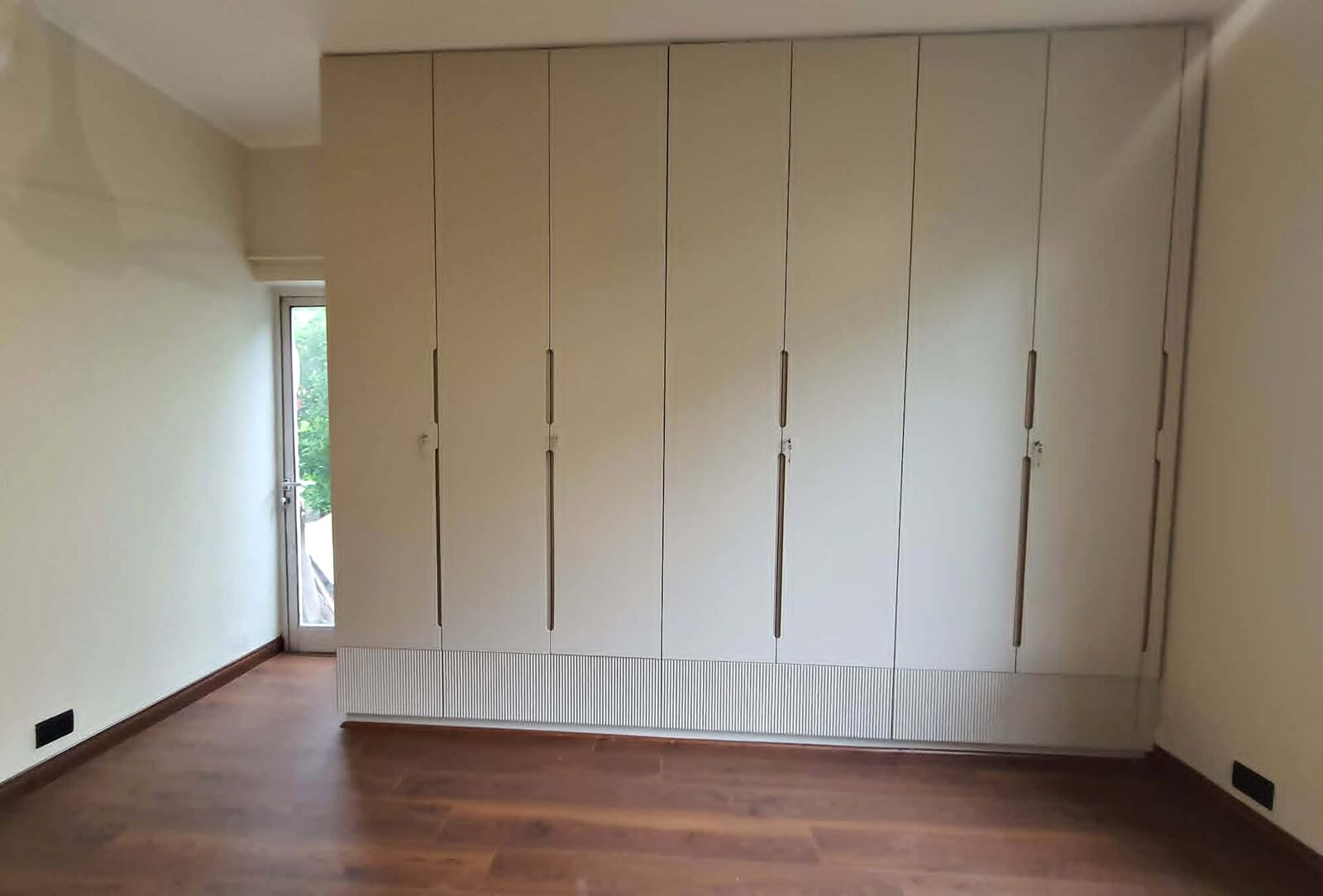
Furnishing a New Apartment in Gurgaon — Where to Actually Start
You have the keys. You have the budget. You have 47 opinions. Here is the sequence that saves you from the most expensive mistakes.
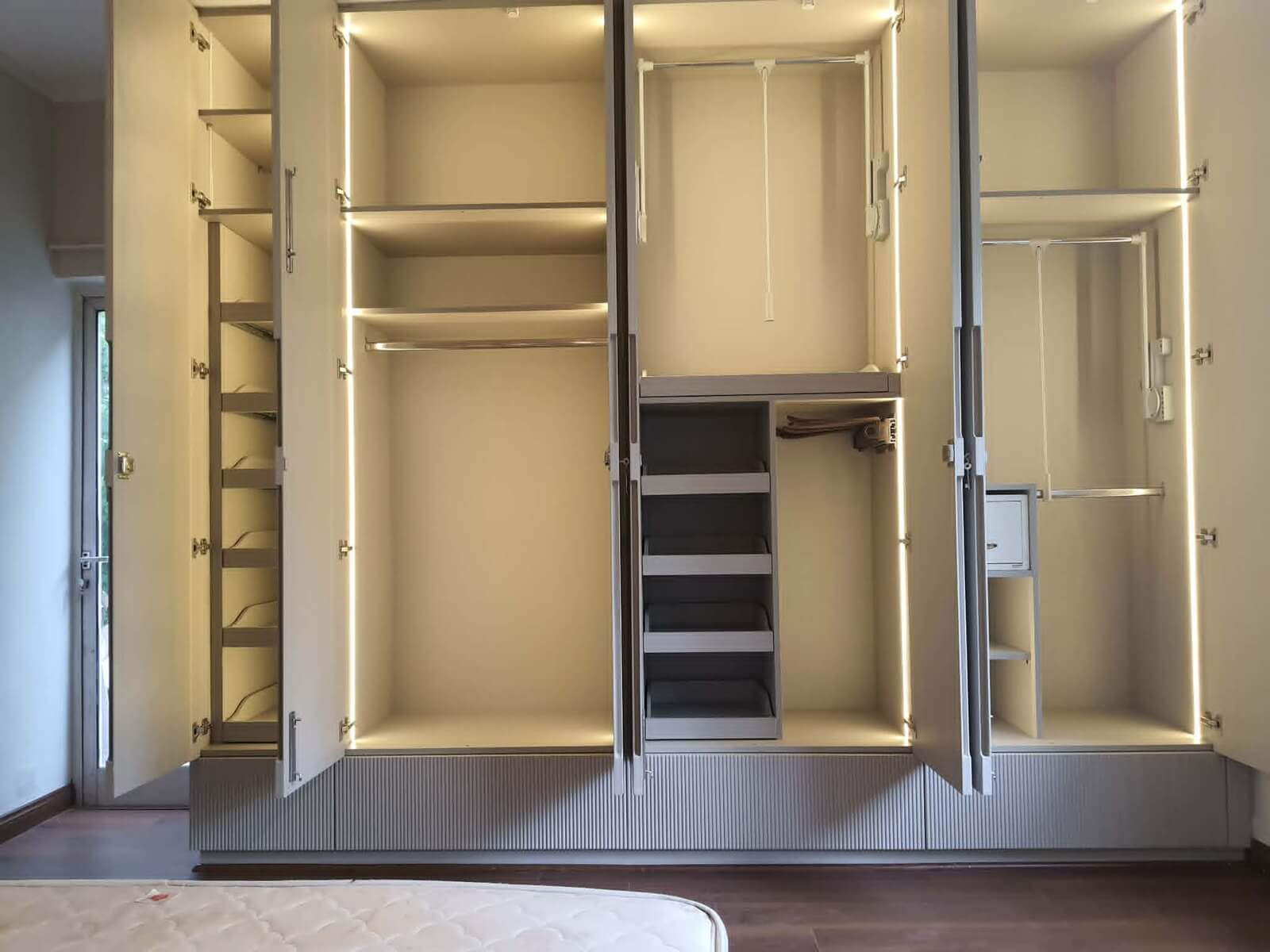
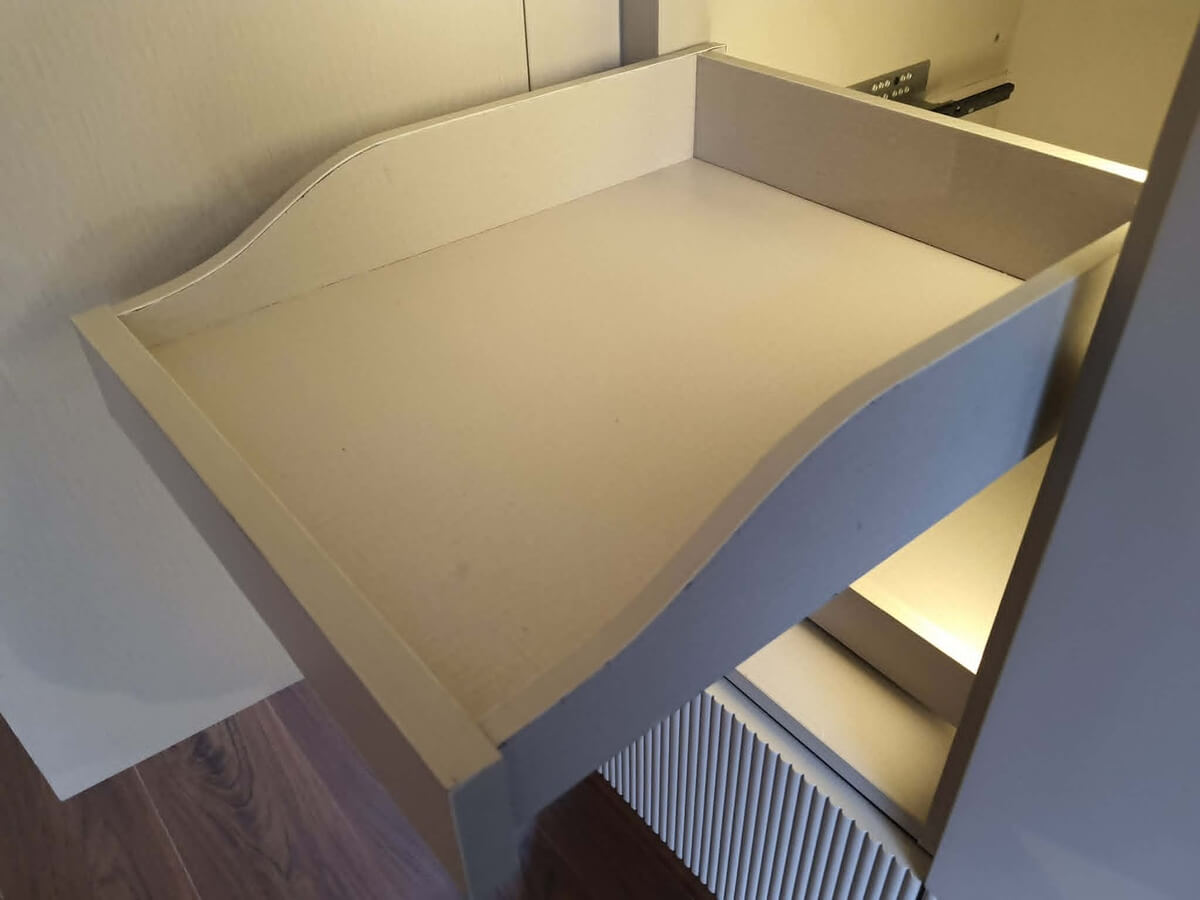
You just got possession of a new apartment in Gurgaon. The floor is done. The walls are painted. Everyone has advice. The builder's interior partner is calling. Three modular kitchen showrooms have your number. Your friend's carpenter is "very good and very reasonable."
Before you sign anything — decide the sequence.
The most expensive furnishing mistakes are not bad materials or bad taste. They are decisions made in the wrong order.
Step 1: Inspect what was delivered
Walk through the apartment with one question: what did the builder actually provide, and is any of it worth keeping?
Builder-fitted wardrobes and kitchens vary enormously by project, phase, and handover specification. Some premium buildings deliver genuinely well-built kitchens. Others provide basic cabinetry that will need replacing within two years of serious use.
Do not demolish or retain anything before inspecting its construction, hardware, internal planning, and how well it fits your actual needs.
A simple framework:
- KEEP if the construction, finish, hardware, and internal planning are genuinely good for your requirements
- MODIFY if the basic structure is sound but the storage layout, accessories, or hardware need upgrading
- REPLACE if the underlying construction, dimensions, or functionality cannot reasonably serve your life
That inspection takes an hour. It can save lakhs.
Step 2: Plan the furniture early — even before you physically install it
Furniture is one of the largest visual and financial commitments in a home — occupying a significant portion of both volume and budget.
It should not be treated as the final decorative layer.
Planning the furniture early — even before the apartment is physically ready for installation — can influence:
- Electrical points and switch locations
- Lighting positions inside and around furniture
- Flooring transitions at wardrobe and kitchen edges
- Skirting details where furniture meets the wall
- Appliance locations and service connections
- Ceiling details above built-in furniture
The furniture does not need to be installed first. But the design conversation should happen early enough that it informs the services and finishes — not the other way around.
Step 3: Before handover vs after handover — two different exercises
Before possession:
- Study the floor plan — identify where furniture will go
- List your storage requirements room by room
- Collect appliance dimensions
- Start the design conversation with your furniture designer
- Establish a realistic budget
- Understand your society's renovation rules — timing, access, noise restrictions
After possession:
- Take final site measurements — do not rely on the builder's drawing alone
- Verify walls, openings, and actual room dimensions (plaster, stone, skirting, columns, and door frames all change the nominal dimension)
- Locate actual electrical and plumbing points — they are rarely exactly where the plan says
- Check floor levels and ceiling conditions
- Identify any defects or snags
- Then freeze the production drawings
A builder drawing shows a nominal room dimension. The finished room can differ because of plaster thickness, wall finishes, service shafts, and frames. Final site measurement is the critical step before manufacturing begins.
Step 4: Storage before style
Before choosing finishes, colours, or handles — answer: what do you own, and where does it all go?
Take stock of everything: clothes, shoes, bags, kitchen inventory, books, electronics, seasonal items, luggage, cleaning supplies, guest bedding.
If the storage is designed correctly, nothing spills out. Nothing piles on chairs. Nothing lives in bags on the floor. The apartment looks larger not because it is larger — but because the storage is actually working.
Step 5: Choose your design model
- Interior designer: handles everything — walls, ceilings, lighting, furniture. Best for a complete overhaul. Higher cost, longer timeline.
- Furniture designer: handles only the furniture — wardrobes, kitchen, storage, entertainment. Best when the apartment is architecturally ready. Faster, more focused.
- Both: interior designer for the space, furniture designer for the furniture. The strongest approach for a luxury apartment.
(For the full comparison, read Interior Designer or Furniture Designer — Which Do You Need?)
Step 6: Compare quotes on scope, not just price
Whether you choose one furniture specialist or multiple, every quote should make clear:
- Material — board type, brand, thickness
- Construction method — factory-built or site-assembled
- Hardware — brand, model, not just "soft-close"
- Accessories — individually listed or bundled
- Finish — grade, type, number of coats
- Measurements — who takes them and when
- Installation — who does it and what happens if adjustments are needed
- Taxes, logistics, and any exclusions
Two quotes at different prices may cover very different scopes. The only fair comparison is like-for-like — and if one quote cannot itemize what it includes, that tells you something.
The most expensive mistake
Starting with the finish instead of the function.
Choosing the veneer before deciding what goes inside. Choosing the handle before designing the drawer. Choosing the shutter style before measuring what hangs behind it.
Start with the life. Then the storage. Then the design. Then the finish.
That sequence saves lakhs — not because it is cheaper, but because nothing gets redone.
Read next
Frequently Asked Questions
Where should I start when furnishing a new apartment in Gurgaon?
Should I keep builder-fitted wardrobes?
Should I hire an interior designer or a furniture designer?
How long does it take to furnish a new apartment?
What is the biggest mistake when furnishing a new apartment?
Should I design furniture before or after possession?
How do I compare furniture quotes for a new apartment?
What is Design30?
If this raised more questions than it answered — that's the beginning of a great conversation. Reach out with your questions or list of topics you'd like covered next!
Talk to Himani on WhatsApp