Italian-Grade Finishes Without the 'Imported' Price Tag
Half of an imported price is the journey. The finish is the part you actually live with.
The showroom tag says Milan. The price says the crate crossed an ocean.
Short answer
An imported price carries freight, duty, a distributor and a showroom before it carries the finish. The finish itself — lacquer, veneer, stone, hardware — can be specified and built to the same grade in one factory, to your exact wall. You pay for the material and the making. Not the journey.
What an imported price is made of
- The factory in Europe.
- Packing and sea freight — for a sideboard that's mostly air in a crate.
- Import duty.
- A distributor's margin.
- A showroom on a premium road, with its rent, its staff and its stock.
- And then the finish.
You pay for the name; you get the name. And within months you'll see the same sofa in another home on Golf Course Road.
What a finish is actually made of
Strip the label away and a premium finish comes down to four things. None of them needs a passport.
- Lacquer. PU applied in coats, sanded between them, until the surface reads like glass and holds up to a decade of hands.
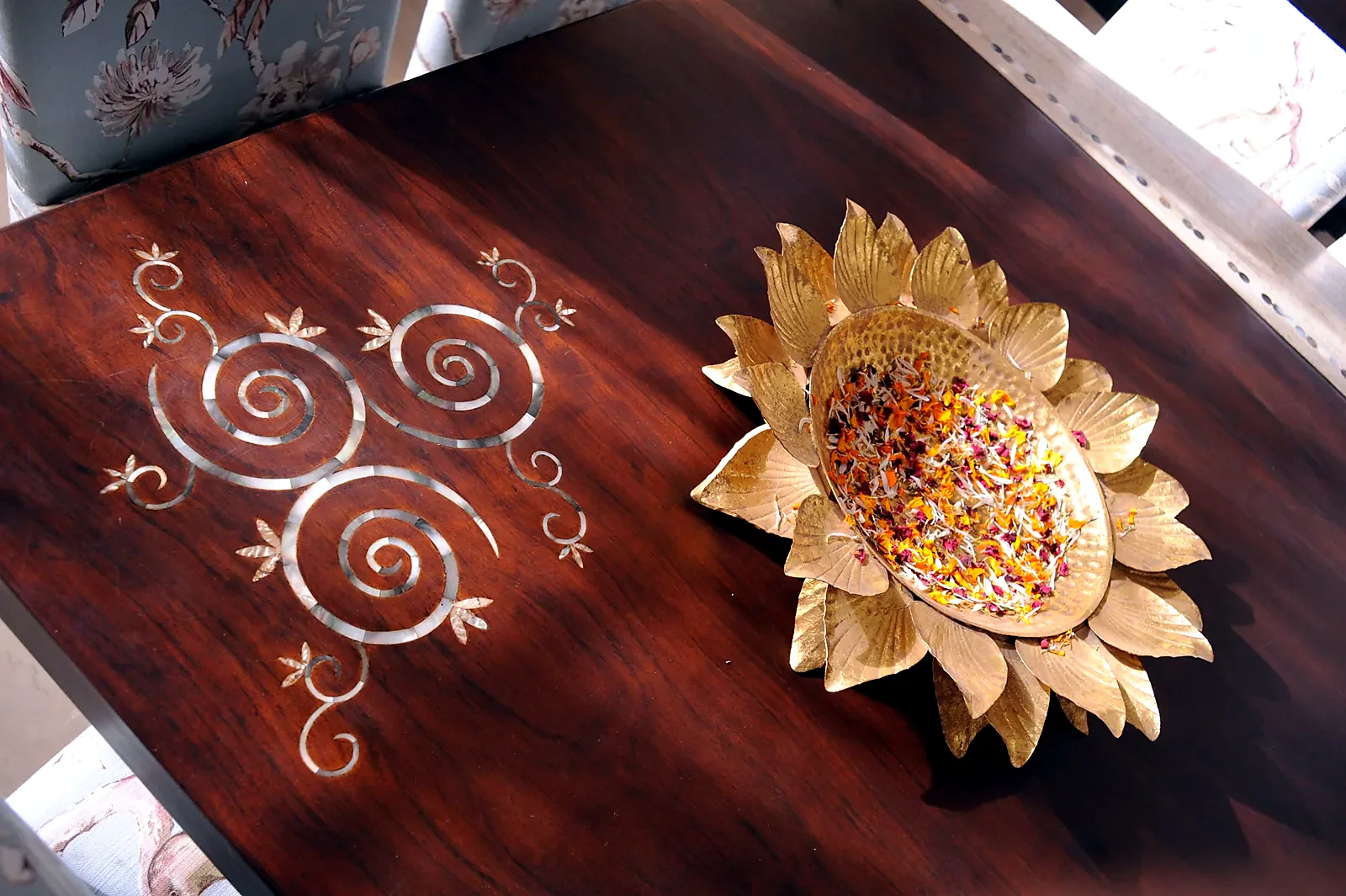
- Veneer. Chosen leaf by leaf and book-matched, so the grain mirrors across a whole wall — like the bedrooms at Central Park Resorts.
- Stone. Italian marble, onyx, granite — chosen slab by slab, and set by hand when it's an inlay.
- Hardware. German soft-close channels and hinges you can look up by name. The difference you feel every single morning.

The one thing an import can't do
An imported wardrobe comes in the sizes it comes in.
Your wall is 11 feet 7 inches. The catalogue has 10 feet and 12 feet. So you get 10 feet and a filler panel — or 12 feet and a problem.
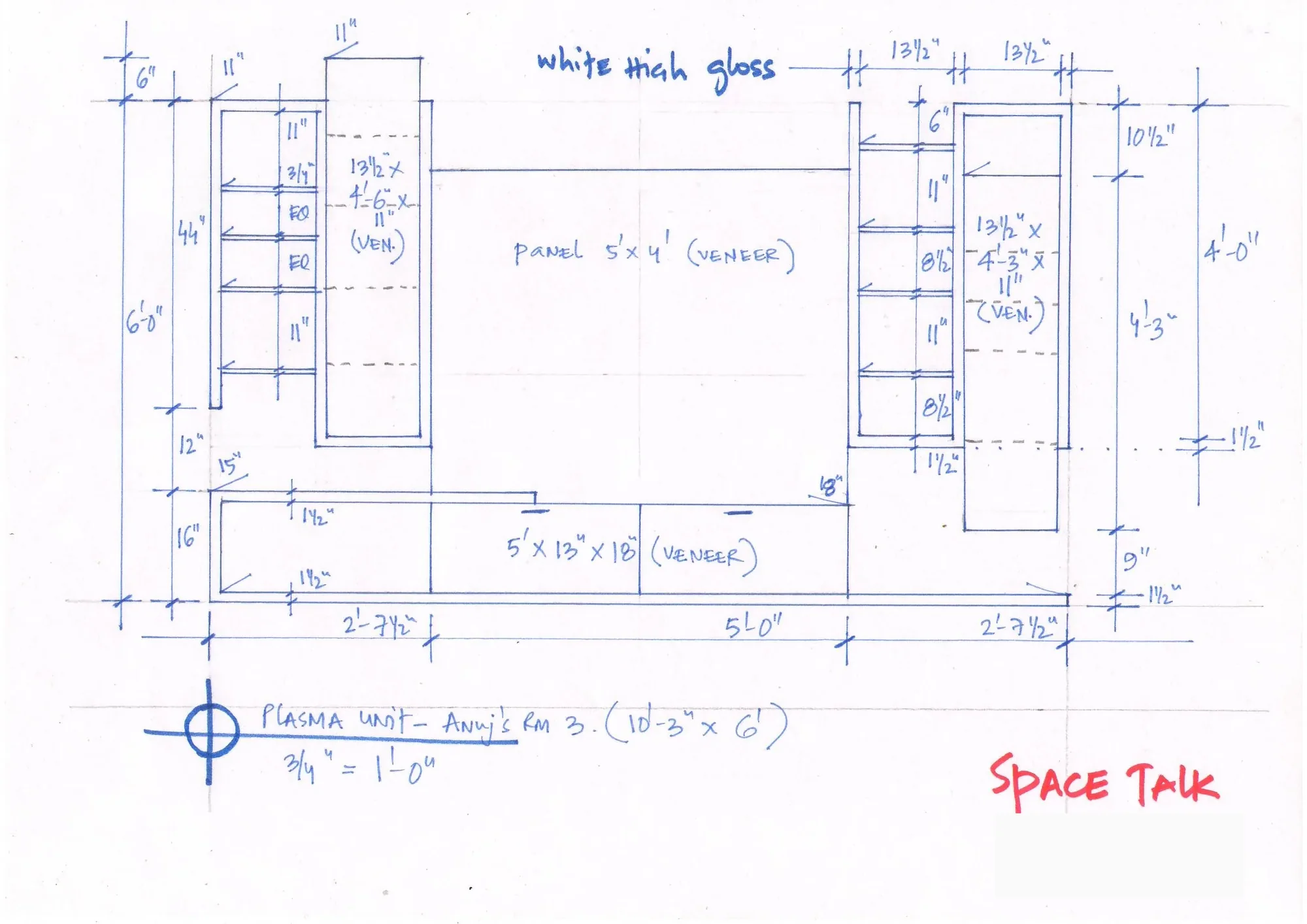
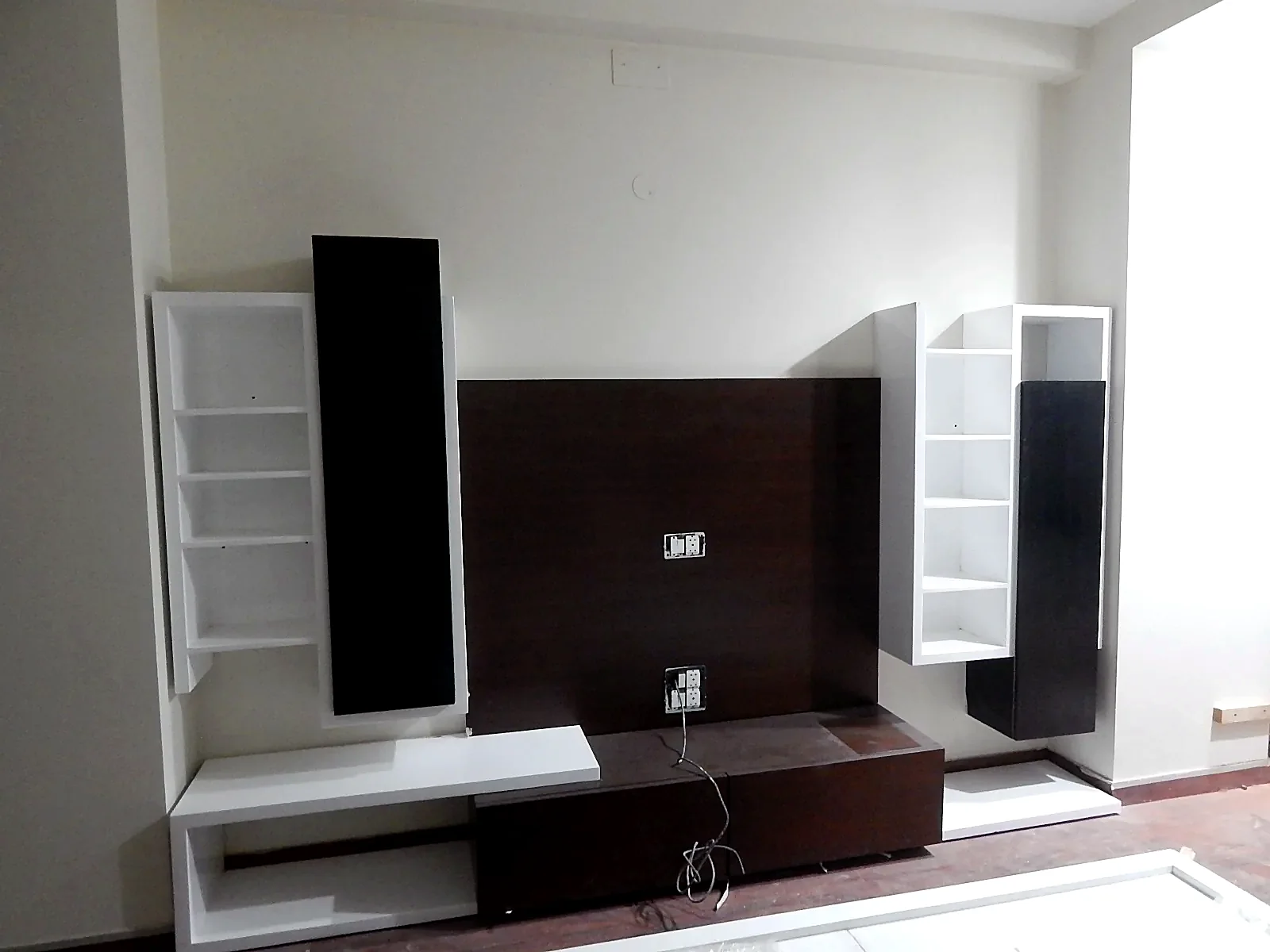
A commissioned piece is drawn to your wall, your ceiling, your light and what you own. That's a luxury no import can ship.
How I build it
Luxury finishes with zero showroom margins. A fixed fee that ignores square footage. Single-line production in my factory in Delhi, under my direct supervision — so nothing is wasted and nothing is lost between the drawing and the build.
Every line I draw on paper gets translated to the last millimetre in your home.
That's how the finish stays Italian-grade and the price stays tied to what you're actually getting. Since 1998.
Five questions that reveal the grade — of any maker
- What's the board underneath? (Here's why it matters.)
- Which hardware — brand and series?
- How many coats of lacquer, and is it sanded between coats?
- Is the veneer book-matched across the whole wall, or piece by piece?
- Who finishes it — and can I see it in the factory before it's installed?
Read next
Frequently Asked Questions
Why does imported furniture cost so much more?
What does 'Italian-grade finish' mean?
Can furniture made in India match imported furniture?
Where is SpaceTalk furniture made?
Is imported furniture ever the right choice?
If you've got an imported quote on the table — send it to me. I'll show you what the finish costs, and what the journey costs.
Talk to Himani on WhatsApp